Summer Maintenance 101: Practical Home Upkeep for Park Residents and Landlords
Table of Contents
- Introduction
- 1. Exterior Inspections and Roof Maintenance
- 2. Garden and Outdoor Living Spaces Upkeep
- 3. Windows, Doors and Insulation Checks
- 4. Plumbing and Drainage Readiness for Summer
- 5. Heating System and Controls Readiness for Peak Seasons
- 6. Interior Comfort: Ventilation, Cooling, and Humidity Management
- 7. Safety and Compliance for Park Homes
- FAQ
- Conclusion
Introduction
Purpose of the guide
This guide offers practical, seasonal maintenance tips for park homes. It aims to protect value, reduce long-term costs, and keep homes ready for summer use. You’ll find actionable steps you can implement now, from checking roof edge seals before storms to running a quick cooling-system check in early spring.
Who it’s for (park residents and landlords)
Whether you live on-site or manage rental properties, these guidelines help you manage risk and improve comfort. They cover everyday upkeep and more thorough checks that protect investment and tenancy outcomes. Landlords can share a simple seasonal checklist with tenants to boost consistency and accountability.
How seasonal maintenance protects value
Seasonal tasks prevent damage from exposure, improve energy efficiency, and extend system lifespans. Regular checks reduce costly repairs later and support positive tenant relations. For example, sealing gaps around skirting boards lowers heat loss in some plots, while keeping gutters clear helps prevent water intrusion that can jeopardise foundations.
1. Exterior Inspections and Roof Maintenance
Assessing roof condition after winter
Winter can reveal hidden damage. Look for loose or missing shingles, curling edges, and worn flashing. Check gutters and driveways for granule loss and solar glare marks. Take photos and notes to guide repairs or insurance claims.
Plan repairs promptly to avoid leaks during summer storms. Prioritise issues that affect rain entry and structural integrity, such as damaged flashing or sagging roof deck sections.
Gutters and drainage checks
Clean gutters to remove leaves, moss, and debris that cause overflow. Ensure downpipes direct water away from the foundation. Inspect for sagging sections and reseal joints as needed. Consider debris guards or leaf guards to reduce blockages over time.
Repairing minor roof and fascia issues
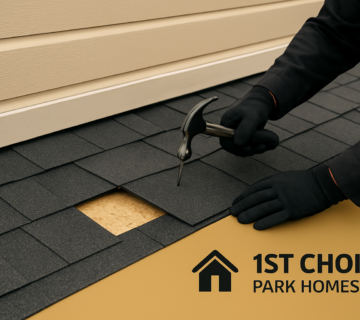
Address small drips, sealant gaps, and loose fascia boards before they worsen. Tighten or replace loose fasteners and reseal flashing around chimneys or skylights. If a quick fix isn’t sufficient, arrange a professional assessment to prevent longer term water damage and costly replacements.
2. Garden and Outdoor Living Spaces Upkeep
Lawn care and vegetation management
Summer is when a healthy lawn shines. Maintain mowing at a consistent height to promote dense turf and reduce pest habitat. Use a sharp blade and vary mowing directions for an even appearance.
- Keep a steady mowing schedule to prevent stress after heat waves.
- Trim hedges and remove overhanging branches that shade the lawn excessively.
- Clear fallen leaves and debris to improve air circulation and reduce damp spots.
Decks, fencing, and paving maintenance
Inspect outdoor surfaces for wear as temperatures rise. Treat timber decks and gates to guard against sun damage and splinters. Replace loose or cracked paving stones to reduce trip hazards and maintain curb appeal.
- Inspect fence panels for wobble and tighten or replace as needed.
- Clean and seal wooden surfaces to extend lifespan and resist weathering.
- Check gaps around paving for drainage and to prevent pooling.
Outdoor lighting and safety checks
Exterior lighting supports safety after dusk. Confirm bulbs, wiring, and timers function correctly. Address exposed cables or damaged fixtures to reduce risk.
- Test pathway, porch, and garden lights before peak hosting periods.
- Replace faulty sensors and use weatherproof fittings for longevity.
- Avoid glare by aiming lights away from bedrooms or neighbors’ windows.
3. Windows, Doors and Insulation Checks
Sealant and glazing inspections
Check all window and door seals for cracks, gaps, and peeling sealant. Damaged seals reduce efficiency and invite drafts. Inspect glazing for condensation between panes, which signals failing units. Replace worn seals or reseal frames to maintain energy performance and prevent water intrusion.
- Prioritise rooms that feel noticeably colder or draftier during different seasons to target first.
- Repair or reapply sealant along frames and sashes as needed, using painter’s tape to define edges for a neat finish.
- Consider upgrading to double glazing where cost permits to improve durability and reduce heat loss over time; compare U-values to guide decisions.
Ventilation improvements
Good airflow lowers humidity and reduces mould risk in warm conditions. Assess passive ventilation options and keep trickle vents clear. If kitchens and bathrooms feel damp, review extractor performance and ducting for obstructions.
- Install or open appropriate vents to balance pressure across rooms and prevent negative pressure that pulls moisture indoors.
- Use breathable window coverings, such as wooden or Ventilated blinds, to aid airflow without sacrificing security.
- Position furniture away from vents to avoid blocked circulation and maintain consistent air movement.
Loft/attic insulation assessment
Attic insulation reduces heat loss and stabilises indoor temperatures. Inspect insulation depth, signs of compression, and any water staining. Address gaps around hatches and between ceiling joists to prevent heat leakage.
- Note areas where insulation has settled or shifted and plan re-filling or topping up as needed.
- Seal hatch edges with weatherstripping to minimise drafts and improve overall comfort.
- Consider professional appraisal if insulation is older than the typical lifespan or if you notice persistent cold spots in winter.
4. Plumbing and Drainage Readiness for Summer
Leak tests and pressure checks
Conduct quick inspections of visible plumbing before peak outdoor use. Check under sinks, around appliance connections, and outdoor fixtures after a brief water run. Address drips promptly to prevent hidden damage and higher water bills.
- Verify toilet and faucet shutoffs operate smoothly and show no seepage.
- Test water pressure by opening a faucet fully for 15 seconds and note any banging or drops in flow.
- Arrange a professional service if you hear unusual noises or detect persistent leaks.
Drainage clearances and guttering
Maintain clear drainage paths to ensure reliable water flow during summer storms. Blocked drains can redirect water toward the property, risking damp and structural issues.
- Clear downpipes of leaves and debris and ensure water exits away from foundations.
- Trim plants that overhang drains to prevent root intrusion or blockage.
- Test external drainage by running water through gutters and downpipes to confirm clearance.
Summer-ready outdoor taps and sprinklers
Outdoor water use increases in summer. Prepare taps and irrigation so they perform reliably without leaks or waste.
- Inspect hoses, connectors, and reels for cracks and wear; replace damaged parts promptly.
- Install backflow prevention where required to protect the internal supply, especially when linking to irrigation systems.
- Check sprinkler heads for clogs and even spray patterns; adjust spacing to maximise coverage and reduce runoff.
5. Heating System and Controls Readiness for Peak Seasons
Boiler service timing and safety checks
Schedule a boiler service before the hottest period hits. A professional check reduces the risk of unexpected breakdowns and ensures safe operation. The goal is to verify venting, flame integrity, and gas connections for summer use and autumn demand.
- Schedule an annual service with a certified technician, ideally before June.
- Ask the engineer to test safety controls and carbon monoxide alarms, and confirm venting integrity.
- Keep a written service record for tenancy documentation and future property audits.
Thermostat and radiator checks after winter
Winter wear and tear can affect temperature control. After the heating season, confirm that thermostats respond accurately and radiators heat evenly. This prevents cold spots when cooling needs rise later in the year.
- Test all thermostats for responsive dialing and accurate temperature readings within a 1, 2 degree margin.
- Inspect radiators for cold spots, bleed if needed, and ensure consistent heat delivery across rooms.
- Calibrate or replace faulty sensors or thermostatic valves to maintain comfort and efficiency.
Bleeding radiators and system flush considerations
Air in the system can reduce efficiency and cause noisy operation. Bleeding radiators clears trapped air and improves circulation. Consider a system flush if sludge buildup is suspected from older homes.
- Release air from each radiator until a steady flow of water emerges and the valve closes cleanly.
- Check for rust or sludge in the boiler’s return line during service and note any discoloration.
- Discuss with a technician whether a flush is warranted based on age, heating performance, and energy bills.
6. Interior Comfort: Ventilation, Cooling, and Humidity Management
Ventilation strategies for warmer days
Ventilation remains key to comfort without overreliance on cooling. Prioritise cross ventilation by pairing opposite openings and use night time airing when outdoor conditions are cooler. In a typical two bedroom layout, a 15 to 20 minute refresh after work can help clear stale air.
- Open windows on opposite sides to create a cross breeze.
- Leverage entry and exhaust points to sustain a steady airflow.
- Keep interior doors ajar when practical to improve room-to-room circulation.
De-humidification and mould prevention
Summer humidity can drive condensation and mould risk. Manage moisture sources and target regions prone to damp. In kitchens and bathrooms, aim for steady relative humidity around 40, 60% during occupied hours.
- Use dehumidifiers in damp zones during peak humidity periods.
- Address condensation on windows or walls promptly to prevent mould growth.
- Ensure bathroom and kitchen exhausts vent outside and are free of blockages.
Energy efficiency tips for summer
Smart tweaks can lower cooling loads without sacrificing comfort. Combine shading with controls to reduce heat gain where possible.
In practice, aligning shading with sensible thermostat settings can help maintain comfort while minimising energy use.
- Close blinds or curtains on sunny facades during the hottest part of the day.
- Use programmable thermostats to raise the setpoint when spaces are unoccupied.
- Seal noticeable air leaks around doors and windows to reduce heat ingress.
7. Safety and Compliance for Park Homes
Smoke and carbon monoxide alarm checks
Regular testing protects occupants and preserves property value. Ensure all units have working alarms and replace batteries as needed. For example, test after redecorating or moving furniture that could block sensors.
- Test every month and after any relocation of fixtures or furniture.
- Replace batteries at least once a year or when alarms chirp.
- Replace units that fail testing or reach end-of-life recommendations.
Gas and electrical safety reminders
Gas and electrical systems require routine verification to prevent hazards and costly damage. Schedule professional assessments and keep records for tenancy needs. Track findings with a simple log to show compliance during inspections.
- Obtain a GAS Safety Certificate in England where required and renew on schedule.
- Arrange periodic electrical checks by a qualified electrician.
- Address any signs of gas smell, flickering lights, or scorch marks immediately.
Documentation and tenancy compliance refresh
Keep up-to-date records to support tenancy obligations and future tenancies. A clear trail helps during inspections and disputes. Store documents digitally for quick access by landlords and tenants.
- Maintain logs of safety inspections, service visits, and repairs.
- Review tenancy agreements for any safety or property condition clauses.
- Ensure tenants can access essential documentation, such as EPCs and safety certificates, when required.
FAQ
What is summer prep for a rental property and why does it matter? It is a targeted set of tasks that shields the property from seasonal wear, helps prevent costly damage, and keeps tenants comfortable. Completing these tasks supports long term value and compliance with safety standards.
Who should perform summer maintenance tasks? Landlords usually oversee key checks and hire specialists as needed. Park residents should report issues promptly and follow tenancy rules to avoid disputes.
How often should exterior upkeep be done? Start with a thorough spring check, then reassess mid summer if weather-related wear appears. Regular gutter cleaning and garden tidying reduce water damage risk and boost curb appeal.
- Key seasonal checks: roof, gutters, garden, doors and windows, ventilation, and safety systems.
- Documentation is essential: keep records of inspections, repairs, and safety certificates.
- Communication matters: tenants should report problems early; landlords should respond promptly and professionally.
Is it necessary to obtain safety certificates during summer? Yes, keep safety documentation up to date and accessible. This includes electrical, gas, and appliance safety records as required by local regulations.
Where can I find practical checklists without duplicating work? Start with official landlord guidance and tailor a property specific checklist. Use a fall back plan to address issues found in the summer window and set reminders for follow ups.
Conclusion
Summer maintenance safeguards value and helps curb long term costs. A clear plan lets park residents and landlords catch small issues before they escalate.
1st Choice Park Homes Ltd emphasises reliable workmanship and accessible service. Following practical summer prep supports durable property conditions and smooth tenancies.
Key actions to apply now:
- Schedule a mid-year review of exterior upkeep and safety checks to catch wear early.
- Keep detailed records of inspections and repairs for future tenancies.
- Engage licensed professionals for critical tasks such as gas, electrical, and roof work to maintain compliance.
If you need tailored support for park homes, leisure lodges, or holiday chalets across England and Wales, our team can guide you through a site-specific summer maintenance plan that emphasises durability and safety.
References
- Prepare your rental property for summer: A spring maintenance …
- Repairs and property condition support guide – Housing Ombudsman
- [Withdrawn] Landlord and tenant rights and responsibilities in the …
- End of Summer Property Maintenance Checklist
- Landlord’s Guide: Property Maintenance Tips | Maddisons Residential